In recent years, there is a rise in the amount of people opting for eco-friendly cars. In tandem increasing demand for EV charging infrastructure has skyrocketed and is a sign of the need for a deeper understanding of EV charging methods. What exactly is EV-charging and how does it function?
EV charge is the process that involves recharging a vehicle’s electric battery. It is like the fueling of a car using gasoline.
Understanding the different charging options is crucial to EV charging. Each charging method has its distinct charging speed and can be used with various automobiles. We’ll explore some of the options.
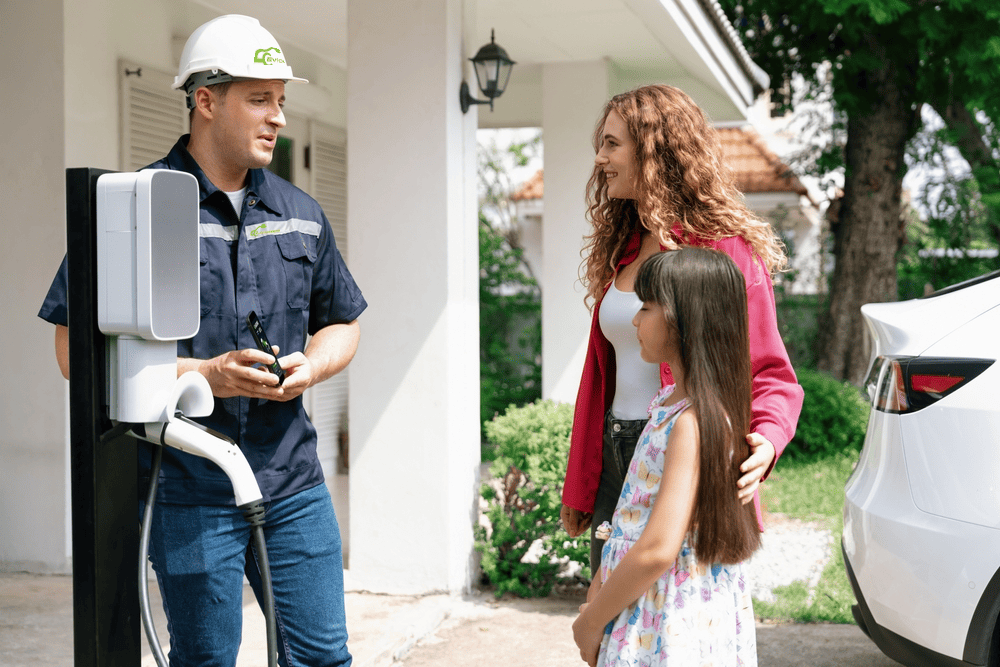
Level 1 Charging: This is the most basic form of EV charging that typically uses a regular household electrical outlet (120 volts). Although it is practical, the level 1 charging is relatively slow and may take several hours to charge fully an EV. It is typically used to charge for a night at home. For more information, click Electric Vehicle Charging Comprehensive Guide
Level 2 Charging: This charging technique operates at a higher voltage than the level 1 (typically at 240 Volts) and offers faster charging rates. This is a common feature in public charging facilities as well as homes and workplaces equipped with EV charging equipment. Level 2 chargers allow for the charging of batteries overnight and are more efficient than level 1.
DC Fast Charging, also referred to as Level 3 charging DC Fast Charging provides the fastest charging speed among the three options. It operates at higher currents and voltages, enabling rapid charging sessions that can recharge an electric vehicle’s battery by 80 percent or more in a matter of minutes. DC fast charging stations are located along major travel routes, and in commercial areas. They are ideal for long-distance travel and rapid refills.
For EV owners, it is important to be aware of the charging options available to them so they can make educated choices about the best time and place to charge their vehicles. EV charging experiences are affected by factors like charging speed, convenience of use, as well as the availability or charging stations.
Moreover the proliferation of EV infrastructure is changing the way we think about fueling. Traditional gas stations are being supplemented, and in some cases replaced, by EV charging stations, reflecting the transition toward a cleaner and more sustainable and sustainable transportation system.
The convenience of charging at home is a convenience for a lot of EV users. Installing charging stations at level 2 in your home will ensure that overnight charging is hassle-free, so the vehicle can be driven in the morning. Additionally, home charging provides cost savings and eliminates the necessity of visiting public charging stations regularly.
Although public charging infrastructure will always be essential, it’s particularly important for long-distance travel as well as owners of electric vehicles who may not have access home charging options. Electric vehicle ownership is becoming more convenient and accessible for the average consumer thanks to the growth of public charging infrastructure, combined with advances in technology for charging.
Additionally, the integration of smart charging technologies and renewable energy sources into EV charging networks offers exciting opportunities to optimize grids and ensure sustainability. We can reduce greenhouse gases and fossil fuel dependency through the use of renewable energy sources sources to charge electric vehicles, like solar or wind.
In conclusion, EV Charging is a essential aspect of owning and operating an electric vehicle. Through understanding the different charging options, as well as the evolving landscape of charging infrastructure, EV owners can maximize the convenience, efficiency, and sustainability of their driving experience. While we continue to embrace electric mobility, the future of transportation is bright with renewable energy and cutting-edge charging solutions.